Are Eggs Anti-Inflammatory? What the Science Says
Confused about eggs and inflammation? Discover whether eggs are anti inflammatory, who may be sensitive, and how cooking methods matter.
In this article▾
- Key Takeaways (Quick Summary)
- Quick Decision Guide: Are Eggs Likely Inflammatory?
- Are Eggs Anti Inflammatory? (Short Answer)
- Why Eggs Are Hard to Label as "Good" or "Bad"
- What Does "Inflammation" Mean in Food Discussions?
- What Is Known About Eggs and Inflammation?
- Are Eggs Inflammatory? Do Eggs Cause Inflammation?
- Why Eggs Can Fit Into an Anti Inflammatory Eating Style
- Why Some People Feel Worse After Eating Eggs
- Egg Yolk vs Egg White: Does It Matter?
- Does How Many Eggs You Eat Matter?
- Does Cooking Style Make a Difference?
- Why the Rest of the Meal Matters
- Who May Want to Be More Careful With Eggs?
- How to See How Eggs Affect You Personally
- Common Myths About Eggs and Inflammation
- The EggPedia Bottom Line
Are eggs anti-inflammatory? For most healthy adults, eggs are best described as neutral for inflammation: they are not a proven anti-inflammatory food, but they are not clearly inflammatory either. Some articles say eggs are anti inflammatory. Others warn they may cause inflammation, joint pain, or swelling. If eggs are already part of your meals, this mixed advice can feel frustrating.
Most of this confusion comes from oversimplified headlines. Inflammation is not caused by one food alone, and eggs do not affect everyone the same way. This article explains how eggs are commonly discussed in nutrition research, why opinions differ, and how eggs may fit into an anti inflammatory eating pattern for many people—without medical claims or extreme advice.
Quick Answer
For most healthy adults, eggs are neutral for inflammation — not a proven anti-inflammatory food, but not clearly inflammatory either. In studies of healthy people, eggs do not consistently raise inflammation markers like CRP, IL-6, or TNF-alpha, so they can fit into an anti inflammatory eating pattern in moderation. Individual reactions vary: people with an egg allergy or sensitivity may still notice symptoms and should be cautious.
Key Takeaways (Quick Summary)
- Eggs are not considered inflammatory for most healthy adults
- They are not clearly anti inflammatory either
- Some people may notice symptoms due to allergy or sensitivity
- Cooking methods and food combinations matter
- Eggs can fit into an anti inflammatory style of eating for many people
Quick Decision Guide: Are Eggs Likely Inflammatory?
| Situation | Are Eggs Likely Inflammatory? |
|---|---|
| Healthy adults | Usually no |
| Anti inflammatory diet | Can fit in moderation |
| Egg allergy | Yes (avoid) |
| Egg sensitivity | Possible symptoms |
| High-heat cooking | May matter |
| Balanced whole-food meals | Usually fine |
Are Eggs Anti Inflammatory? (Short Answer)
Eggs are not a proven anti inflammatory food, but they are also not automatically inflammatory.
In many discussions of nutrition research, eggs are described as neutral for inflammation in healthy adults. This means they usually do not increase common inflammation markers. However, individual reactions can still vary.
Why Eggs Are Hard to Label as "Good" or "Bad"
Foods are often placed into simple categories, but real diets are more complex.
Eggs contain nutrients like antioxidants and vitamin D that support general health. Cholesterol content is another reason eggs are debated. Learn more in our guide on are eggs high in cholesterol. They also contain fats, including arachidonic acid, which is sometimes mentioned in inflammation discussions. This does not mean eggs cause inflammation. It simply explains why eggs are often debated.
How eggs affect someone depends on:
- the person
- how often eggs are eaten
- how they are cooked
- what foods are eaten alongside them
What Does "Inflammation" Mean in Food Discussions?
Short-Term vs Long-Term Inflammation
Short-term inflammation is part of normal healing. Long-term inflammation is what people usually mean when talking about diet and health.
Feeling Symptoms vs Measured Changes
Feeling bloated or stiff after a meal is not the same as measured inflammation.
When researchers study inflammation, they often look at markers such as:
- C-reactive protein (CRP)
- Interleukin-6 (IL-6)
- TNF-alpha
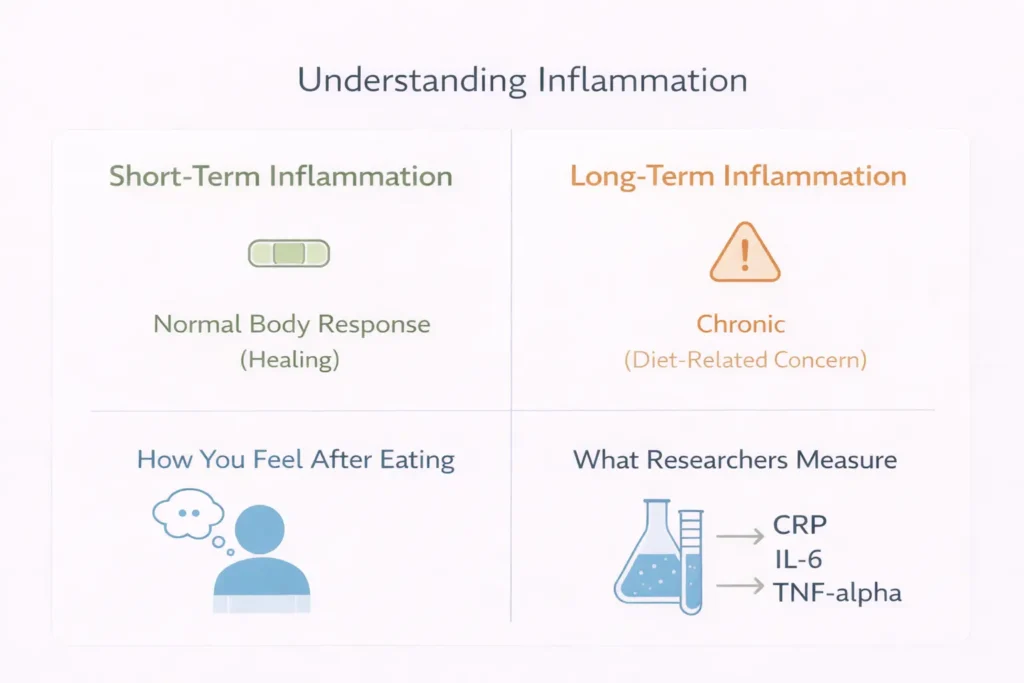
Understanding inflammation: Short-term is normal healing. Long-term is what diet discussions focus on. How you feel after eating isn't the same as measured inflammation markers.
These markers do not always match how someone feels after eating certain foods.
What Is Known About Eggs and Inflammation?
Discussions around eggs and inflammation are based mostly on studies in healthy adults.
What many studies suggest
In these studies, eating eggs does not consistently raise inflammation markers. This is why eggs are still included in many general eating patterns. Those with metabolic concerns like blood sugar may benefit from our guide on are eggs good for diabetics.
Where information is limited
- Fewer studies focus on people with autoimmune conditions
- Reports about eggs and joint pain are often personal experiences
- Very high egg intake has not been studied long-term in detail
Because of this, most sources avoid strong conclusions.
Are Eggs Inflammatory? Do Eggs Cause Inflammation?
For many healthy adults, eggs do not appear to be inflammatory or to increase inflammation when eaten in moderation. In controlled studies of healthy people, regular egg intake does not consistently raise inflammation markers such as CRP, IL-6, or TNF-alpha.
This is why eggs continue to be used in everyday meals across many cultures and diets. The main exceptions are people with an egg allergy or sensitivity, who may react individually even though eggs are not inflammatory for the general population.
Why Eggs Can Fit Into an Anti Inflammatory Eating Style
Antioxidants in Egg Yolks
Egg yolks contain lutein and zeaxanthin. These compounds are commonly discussed in relation to oxidative stress, which plays a role in inflammation.
Vitamin D Content
Eggs provide small amounts of vitamin D. Vitamin D is involved in normal immune function, though eggs are not a treatment for inflammation.
Omega-3 Eggs
Some eggs contain added omega-3 fats, which are often included in anti inflammatory food discussions. Some structured plans, like the egg diet include eggs daily, but balance matters.
Why Some People Feel Worse After Eating Eggs
Egg Allergy or Sensitivity
People with an egg allergy can have clear reactions. Egg sensitivity is different and may cause mild or inconsistent symptoms.
Joint Discomfort Reports
Some people with joint issues report discomfort after eating eggs. Evidence is limited, and responses differ from person to person.
Digestive Differences
Gut health and digestion play a role in how foods feel in the body. Eggs may feel fine for some people and not for others.
Egg Yolk vs Egg White: Does It Matter?
The yolk contains most of the nutrients and fats. The white is mostly protein.
Neither part is widely considered inflammatory on its own.
Does How Many Eggs You Eat Matter?
Yes, overall intake matters.
Eating eggs occasionally is different from eating them every day. Paying attention to balance and variety is more useful than focusing on one food alone.
Does Cooking Style Make a Difference?
High-Heat Cooking
Cooking eggs at very high heat can increase oxidation. This happens with many foods, not just eggs.
Lower-Heat Cooking
Boiled, poached, or lightly cooked eggs are often chosen in more balanced eating patterns.
Why the Rest of the Meal Matters
| More Balanced Choices | Less Ideal Choices |
|---|---|
| Eggs with vegetables | Eggs with processed meats |
| Boiled or poached eggs | Deep-fried eggs |
| Olive oil or avocado | Refined seed oils |
| Whole-food meals | Highly processed meals |

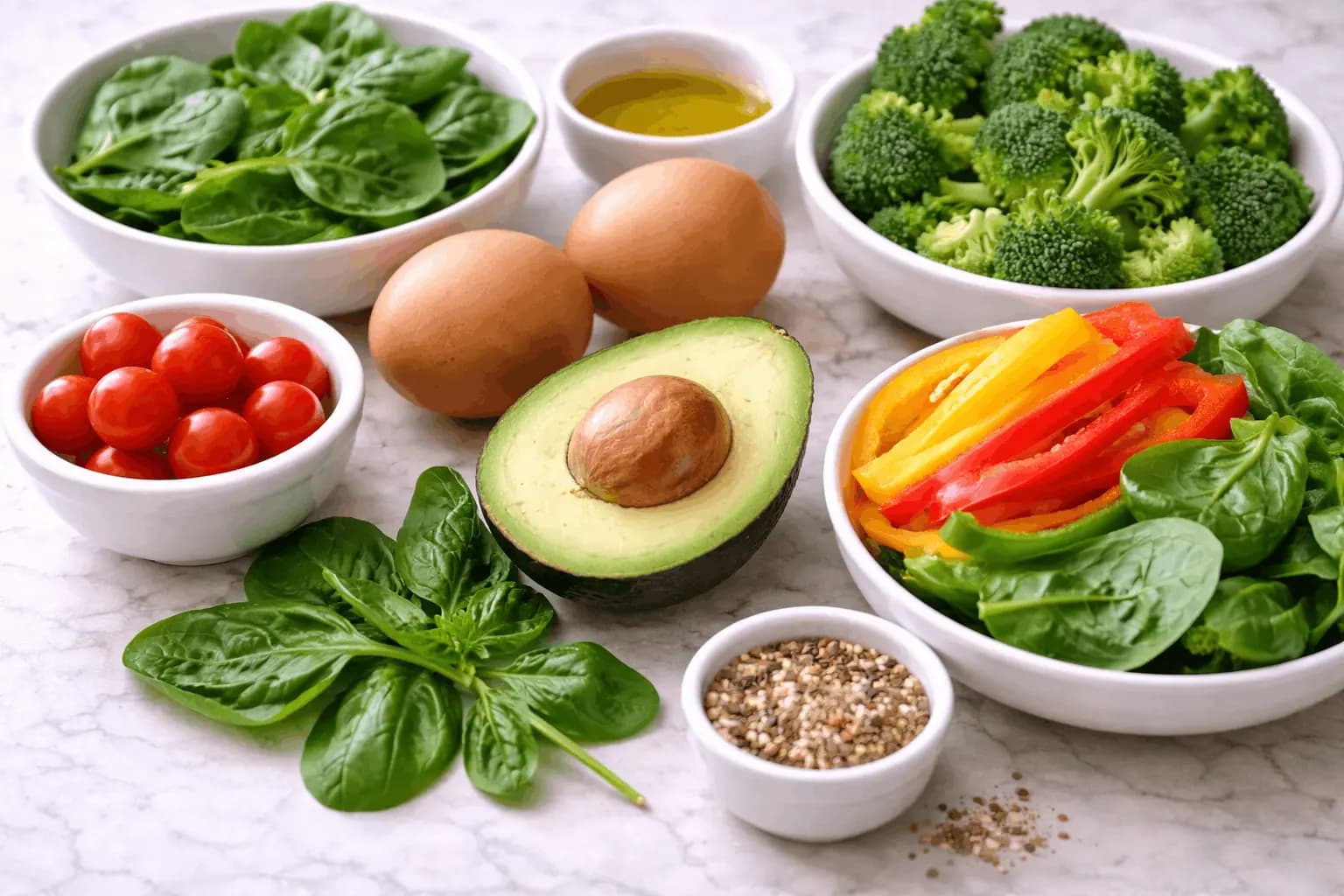
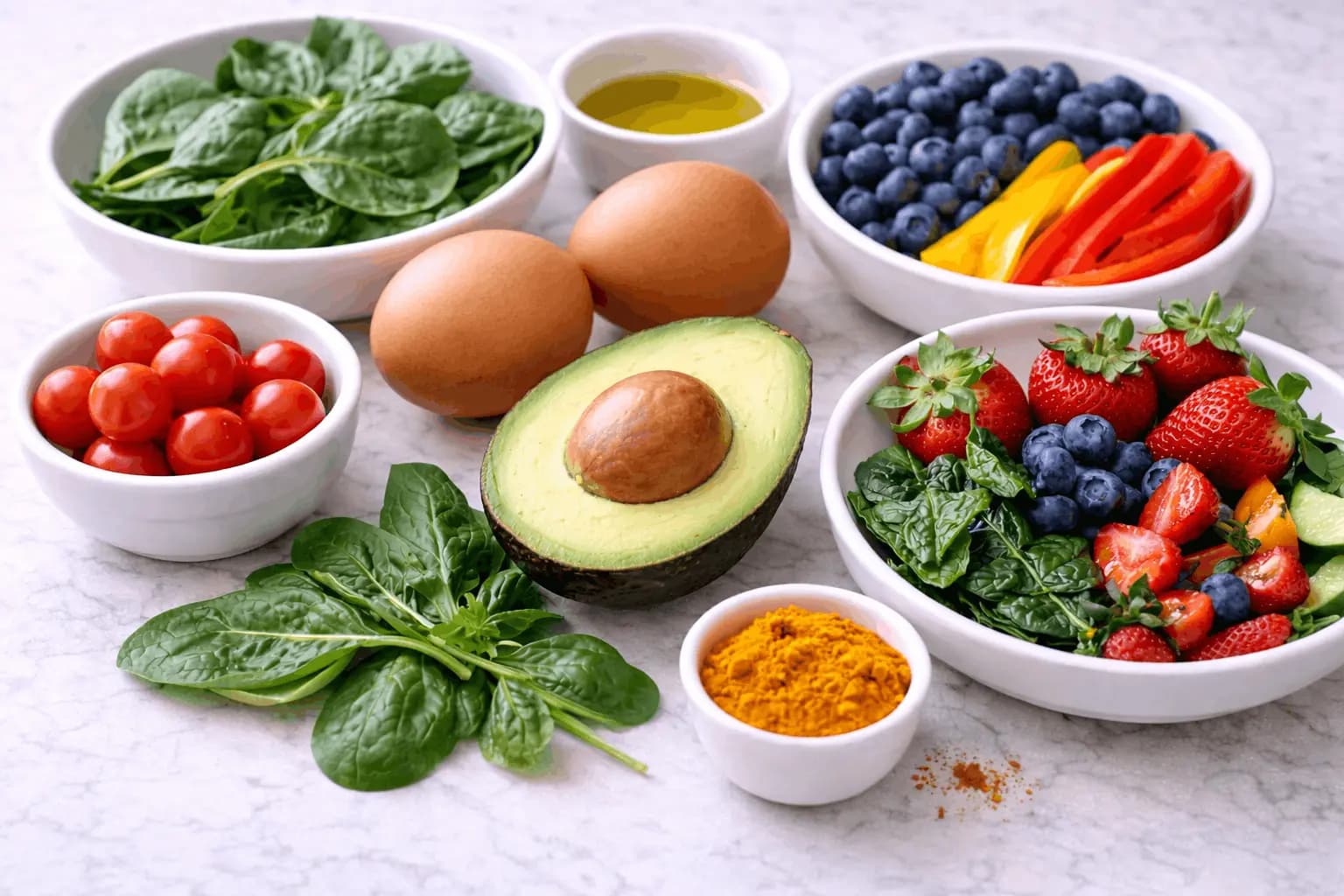
The meal context matters more than eggs alone. Compare a balanced anti-inflammatory meal (left) with a less ideal inflammatory pattern (right).
Who May Want to Be More Careful With Eggs?
- People with egg allergies
- People who notice repeated symptoms after eating eggs
- People making dietary changes for health reasons
If symptoms are ongoing or severe, professional guidance may be helpful.
How to See How Eggs Affect You Personally
If you are unsure:
- keep meals simple
- notice patterns over time
- avoid making quick conclusions
This is about awareness, not diagnosis.
Common Myths About Eggs and Inflammation
- Eggs always cause inflammation
- Egg yolks are bad for everyone
- Anti inflammatory diets avoid eggs completely
These ideas are oversimplified and do not reflect how food works in real diets.
The EggPedia Bottom Line
Eggs are not inflammatory for most healthy adults, and they are not a guaranteed anti inflammatory food either. They are best described as neutral for many people.
Reactions can vary based on the individual, cooking methods, and the overall diet. Instead of focusing on labels, it's more helpful to look at how eggs fit into your usual meals. A balanced, flexible approach is often more realistic than strict rules. For the bigger picture, see our overview of whether eggs are good for you.
This article provides general information only and is not medical advice.
Frequently Asked Questions
Are eggs anti-inflammatory?+
Eggs are not a proven anti-inflammatory food, but they're also not automatically inflammatory. For healthy adults they're usually described as neutral for inflammation.
Are eggs inflammatory, or do eggs cause inflammation?+
For most healthy adults, eggs are not considered inflammatory and do not consistently raise inflammation markers in studies. They are best described as neutral. Some people with an egg allergy or sensitivity may still react individually.
Do eggs increase inflammation for most people?+
For many healthy adults, eggs do not appear to increase inflammation when eaten in moderation.
Why do some people feel worse after eating eggs?+
Egg allergy or sensitivity, joint discomfort reports, or digestive differences. Responses vary from person to person.
Does cooking style make a difference?+
Cooking eggs at very high heat can increase oxidation. Boiled, poached, or lightly cooked eggs are often chosen in more balanced eating patterns.
The Eggpedia Editorial Team
Editorial
The Eggpedia editorial team researches, writes, and fact-checks every guide against public food-safety and nutrition sources (such as USDA and FDA guidance) to give you reliable, practical information about eggs. Our content is educational and is not a substitute for personalized medical or dietary advice.
Last updated June 15, 2026.